






 Domicile
 Des produits



29+ years in pharmaceutical machinery, covering capsule filling, tablet pressing, blister packaging, tablet and capsule counting, cartoning, GMP production, and overseas machine service.

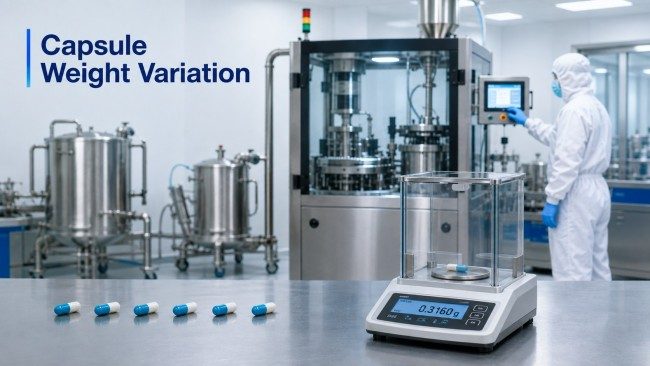
Les capsules issues du même lot de production sont destinées à contenir une quantité constante de matériau de remplissage, mais cela ne signifie pas que chaque capsule affichera exactement le même poids mesuré. De petites différences peuvent apparaître pendant le remplissage, car la poudre ne se comporte pas comme un liquide ayant une densité parfaitement fixe. Son écoulement, sa densité apparente, son état d’humidité et son degré de compactage peuvent tous influencer la quantité de matériau qui entre dans la capsule.
La méthode de remplissage a également son importance. Sur une machine automatique de remplissage de capsules à disque doseur, la poudre destinée à chaque capsule n’est pas pesée individuellement avant le remplissage. Au lieu de cela, la machine remplit de manière répétée des espaces contrôlés dans un disque doseur, compacte la poudre et transfère le matériau mesuré dans le corps de la capsule. Un remplissage constant dépend donc de deux éléments qui fonctionnent ensemble : la poudre doit avoir un comportement constant et la machine doit répéter avec précision la même action de dosage.
C’est la raison fondamentale pour laquelle une variation du poids des capsules se produit. La comprendre explique également pourquoi la précision du remplissage des capsules ne peut pas être évaluée uniquement par un seul réglage de la machine. Le système de dosage, les caractéristiques de la poudre, le réglage mécanique et les conditions de production contribuent tous au poids final de remplissage.
La variation du poids des capsules signifie que le poids mesuré des capsules remplies n’est pas exactement identique d’une capsule à l’autre.
Par exemple, supposons qu’un processus de production soit réglé pour placer environ 500 mg de poudre dans chaque capsule. Lorsque plusieurs capsules finies sont contrôlées, leurs quantités de remplissage peuvent être légèrement différentes au lieu que chaque capsule contienne exactement 500,000 mg.
La question importante en production n’est donc pas :
« Chaque capsule peut-elle être fabriquée mathématiquement de manière identique ? »
C’est :
« Le processus de remplissage peut-il maintenir les différences faibles, stables et conformes à la spécification de production requise ? »
Pour comprendre pourquoi des différences apparaissent, il est utile de distinguer la taille de la capsule de son poids de remplissage.
L’enveloppe de la capsule fournit un espace interne fixe, mais un espace fixe ne contient pas automatiquement un poids fixe de poudre. Imaginez remplir le même verre doseur avec deux poudres. Une poudre est légère et volumineuse, tandis que l’autre se compacte plus densément. Les deux peuvent occuper le même volume, mais le second verre peut peser considérablement plus lourd.
Le même principe s’applique lors du remplissage des capsules.
Même lorsque la même taille de capsule et la même formulation sont utilisées, le matériau entrant dans la zone de dosage doit rester raisonnablement constant. Si la poudre devient moins compacte, s’écoule de manière irrégulière, absorbe de l’humidité, forme de petits agglomérats ou commence à adhérer aux surfaces de contact, la quantité capturée pendant chaque cycle de remplissage peut changer.
La machine ajoute alors un autre élément à l’équation. Elle doit créer de manière répétée des conditions de dosage similaires pour des milliers de capsules. Si l’espace de dosage effectif, le compactage de la poudre ou la position mécanique change pendant le fonctionnement, le poids de remplissage obtenu peut également varier.
Cela signifie que la variation du poids des capsules possède deux grandes sources :
Ces deux sources sont liées. Une machine de remplissage de capsules réglée avec précision ne peut pas totalement compenser une poudre instable, tandis qu’une poudre bien préparée nécessite toujours un système de dosage stable et reproductible.
Pour les lecteurs qui souhaitent comprendre la séquence complète, de l’orientation de la capsule jusqu’à son éjection, le principe de fonctionnement d’une machine de remplissage de capsules explique comment ces postes fonctionnent ensemble.
Une machine à disque doseur ne pèse généralement pas une portion de poudre séparée avant chaque remplissage de capsule. Elle crée plutôt des conditions de dosage reproductibles.
La poudre se trouve au-dessus d’un disque doseur contenant des trous usinés. Des tiges de remplissage, également appelées broches de tassage, pénètrent dans ces trous à des postes successifs et compactent la poudre. Un bouchon de poudre se forme puis est transféré dans le corps ouvert de la capsule.
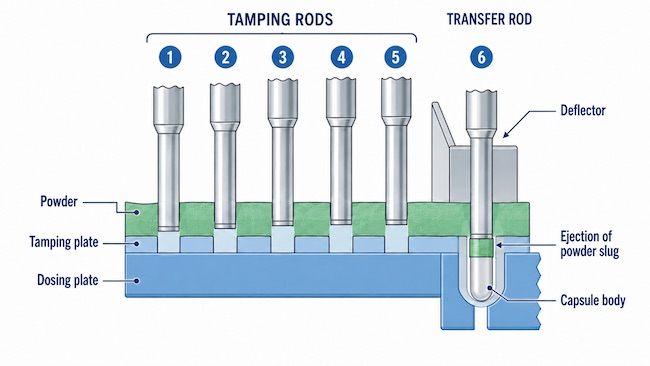
Les recherches sur les machines de remplissage à disque doseur identifient la hauteur du disque doseur, la profondeur d’immersion des broches de tassage, les conditions du lit de poudre, la vitesse de la machine et les propriétés de la poudre comme des variables influençant le poids de remplissage et sa variation.
Pour un débutant, la comparaison la plus simple reste celle d’un verre doseur. Le trou de dosage fournit un espace contrôlé, tandis que les tiges de remplissage influencent la manière dont la poudre est compactée dans cet espace. Si la poudre et la machine reproduisent les mêmes conditions, le poids de remplissage devrait rester relativement stable. Si l’un des deux change, la variation peut augmenter.
Le disque doseur aide à définir le volume disponible de base pour le bouchon de poudre. Lorsque le poids de remplissage cible ou la formulation change considérablement, une épaisseur de disque doseur adaptée fournit la plage de départ correcte pour le réglage.
Il ne s’agit pas d’une relation simple du type « disque plus épais = meilleure précision ». Le disque fournit l’espace ; la masse réelle occupant cet espace dépend toujours de la densité de la poudre et de la manière dont elle est compactée.
La profondeur des tiges de remplissage constitue un deuxième réglage. Modifier la distance d’entrée des tiges dans les trous de dosage change les conditions de compactage et aide à rapprocher le poids réel de remplissage de la valeur cible.
Sur la machine automatique de remplissage de capsules NJP-1500D, l’épaisseur du disque doseur reste fixe pendant le fonctionnement, tandis que la quantité de remplissage est ajustée en modifiant la profondeur des tiges de remplissage. Son mécanisme de remplissage utilise également un réglage tridimensionnel pour maintenir un écart uniforme entre la plaque en cuivre et le disque doseur. Cela aide les différentes positions autour de la zone de dosage à fonctionner dans des conditions plus comparables, au lieu de permettre qu’un côté présente un écart nettement différent d’un autre.
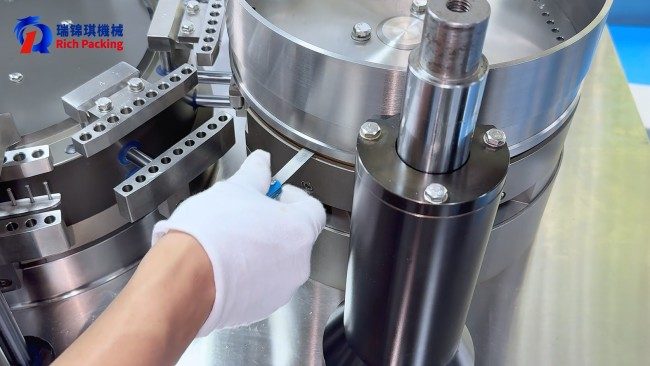
L’opérateur ajuste l’écart entre le disque de dosage et le disque en cuivre de la machine de remplissage de capsules.
Une fois le principe de dosage compris, les principales causes sont plus faciles à comprendre.
Les trous de dosage doivent recevoir la poudre de manière constante. Un matériau à écoulement libre se répartit dans la zone de dosage de façon plus prévisible. Une poudre cohésive peut former des ponts, des amas ou se répartir de manière inégale.
Les études sur le remplissage des capsules ont établi une relation entre les propriétés d’écoulement de la poudre et la variabilité du poids de remplissage. Les caractéristiques des particules, la composition de la formulation, la densité et le comportement de surface influencent tous la régularité avec laquelle le matériau entre dans le système de dosage.
Un même volume peut contenir des masses différentes lorsque la densité apparente change. C’est pourquoi le poids de remplissage d’une capsule ne peut pas être prédit uniquement à partir de la taille de la capsule.
Si la poudre devient plus aérée, plus compactée ou si son état de tassement change d’une autre manière, un trou de dosage de même taille peut contenir une masse différente.
Les lecteurs qui comparent les formats peuvent trouver la relation plus générale entre les tailles de capsules , le volume disponible et les méthodes de remplissage dans notre guide de production de capsules.
Les poudres sensibles à l’humidité ou cohésives peuvent commencer à former des agglomérats ou à adhérer aux surfaces de la machine. Le problème important n’est pas l’humidité en elle-même, mais le changement qu’elle provoque dans le comportement du matériau.
La poudre qui adhère aux tiges de remplissage ou au disque de dosage peut également s’accumuler progressivement. Cela modifie l’état de surface observé lors du cycle de remplissage suivant et peut contribuer à une dérive du poids de remplissage pendant une production prolongée.
Le disque de dosage et les tiges de remplissage doivent être adaptés au poids de remplissage cible et à la formulation.
Si l’espace de dosage de base n’est pas adapté, tenter de tout corriger uniquement par la profondeur des tiges de remplissage n’est pas une méthode de réglage efficace. Les deux ajustements fonctionnent comme un système : le disque définit la plage de dosage, tandis que la profondeur des tiges de remplissage ajuste finement le bouchon de poudre selon les conditions réelles du matériau.
Les recherches sur les systèmes de remplissage par tassement montrent également que l’effet des réglages des poinçons de tassement varie selon le comportement de la poudre ; un tassement plus profond ne doit donc pas être considéré comme une méthode universelle pour améliorer la précision.
L’écart entre la plaque en cuivre et le disque de dosage doit rester uniforme autour de la zone de travail.
Si un côté présente un écart plus important, le confinement de la poudre peut varier selon la position et créer des conditions de dosage moins constantes. C’est ici que l’ajustement tridimensionnel joue un rôle pratique : maintenir une hauteur d’écart uniforme aide à réduire les différences d’une position à l’autre causées par le mécanisme de dosage lui-même.
Une machine automatique de remplissage de capsules répète la même séquence des milliers de fois. Les positions et les mouvements doivent rester constants.
L’usure, un réglage desserré, l’accumulation de poudre ou les changements dans les conditions de transmission peuvent affecter la capacité de la machine à reproduire son réglage initial. C’est pourquoi la précision du remplissage sur une longue durée dépend de la stabilité mécanique et de la maintenance ainsi que des réglages initiaux.
|
Ce qui change |
Ce qui se produit pendant le remplissage |
Effet probable |
|
Mauvaise fluidité de la poudre |
Les trous de dosage se remplissent de manière moins constante |
Variation aléatoire du poids de remplissage |
|
Changements de densité apparente |
Le même volume contient une masse différente |
Le poids moyen de remplissage se déplace |
|
Humidité ou adhérence |
Le déplacement de la poudre et l’état de surface changent |
Dérive ou variation plus importante |
|
Configuration de dosage incorrecte |
L’espace de dosage ne correspond pas à la cible |
Le poids de remplissage s’éloigne de la valeur cible |
|
Écart irrégulier de la zone de dosage |
Le confinement de la poudre diffère selon la position |
Variation d'une position à l'autre |
|
Instabilité mécanique |
Les mouvements de remplissage sont moins reproductibles |
La variation peut augmenter pendant la production |
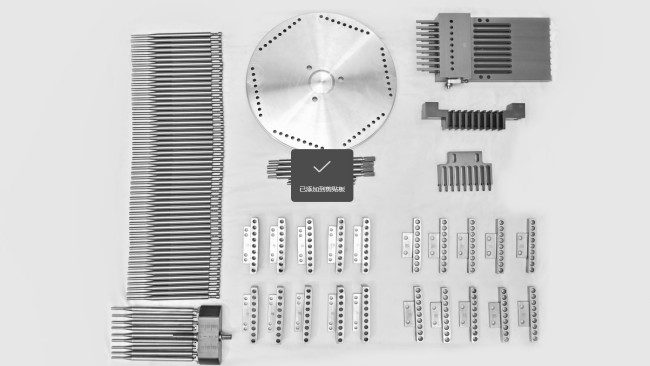
composants d'outillage de machine de remplissage de capsules
Contrôler la variation du poids des capsules signifie contrôler les deux côtés du processus : le matériau entrant dans la machine et les conditions de dosage créées par la machine.
Premièrement, la poudre doit rester raisonnablement stable en termes d'écoulement, de densité, d'état d'humidité et de distribution des particules. Une machine réglée pour une condition donnée du matériau ne peut pas être censée donner le même résultat si la poudre se comporte ensuite de manière très différente.
Deuxièmement, la configuration de dosage doit correspondre à la cible. Les fabricants sélectionnent une épaisseur appropriée du disque de dosage, puis ajustent la profondeur des tiges de remplissage pour affiner la quantité remplie. L'objectif n'est pas une compaction maximale. Il s'agit d'un bouchon de poudre reproductible qui atteint la cible requise dans les conditions réelles de la formulation.
Troisièmement, le mécanisme de dosage lui-même doit rester uniforme. Un écart constant entre la plaque en cuivre et le disque de dosage réduit les différences entre les positions de remplissage. Les surfaces en contact avec la poudre doivent également rester suffisamment propres afin que les résidus n'altèrent pas progressivement les conditions de dosage.
La NJP-1500D de Rich Packing utilise des tiges de remplissage polies, des surfaces de disque de dosage et des trous de moule afin de favoriser le déplacement du matériau. Son réglage tridimensionnel du remplissage est conçu pour maintenir un écart uniforme entre la plaque en cuivre et le disque de dosage. Ce sont des exemples de caractéristiques de machine qui traitent la reproductibilité plutôt que de considérer la précision de remplissage comme le résultat d'un seul composant.
Pendant la production de routine, une procédure stricte d'échantillonnage hors ligne doit être suivie conformément à la procédure opératoire standard (SOP) approuvée. Les opérateurs prélèvent des capsules remplies sur la ligne de production à des intervalles définis, par exemple toutes les 15 minutes ou après un nombre spécifié de cycles de machine, et pèsent les échantillons à l'aide d'une balance analytique étalonnée. Chaque série de résultats est enregistrée afin que les changements puissent être suivis dans le temps. L'examen continu de ces données de poids hors ligne aide à identifier une dérive progressive du poids moyen de remplissage ou un élargissement de la variation du poids des capsules.

Lorsqu'un problème apparaît, le schéma fournit des indices utiles. Une variation concentrée sur une seule position de remplissage peut indiquer un problème local de réglage mécanique. Une variation aléatoire entre différentes positions peut orienter l'attention vers le comportement de la poudre ou des conditions de processus plus générales.
Si une variation de poids se produit avec une fuite de matériau, des problèmes de séparation des capsules ou une accumulation de poudre, le guide de dépannage de la machine de remplissage de capsulescouvre ces défauts côté machine plus en détail.
La logique globale est :
propriétés stables de la poudre → épaisseur appropriée du disque de dosage → profondeur correcte des tiges de remplissage → écart de dosage uniforme → mouvement reproductible de la machine → vérification de la production
Aucun réglage unique ne peut remplacer les autres. Lorsque ces conditions sont contrôlées ensemble, les fabricants peuvent maintenir la variation du poids des capsules dans la plage de production requise tout en conservant un remplissage constant sur des séries de production plus longues.
Non. La régularité du poids de remplissage décrit la capacité du processus de remplissage à placer de manière reproductible la quantité totale de matériau de remplissage dans les capsules. L'uniformité du contenu concerne la quantité du composant actif pertinent dans les unités de dosage individuelles et est évaluée séparément. USP couvre l'uniformité des unités de dosage et distingue les approches applicables dans des conditions définies.
Une capsule plus grande offre un volume disponible supérieur, mais le poids réel de remplissage dépend toujours de la densité apparente et du comportement de remplissage du matériau.
Non. La profondeur des tiges de remplissage est une variable de réglage, et non un paramètre universel de précision. Elle doit fonctionner avec la configuration du disque de dosage et la formulation.
Un schéma répétitif spécifique à une position peut indiquer un réglage des tiges de remplissage, un écart de zone de dosage, une fuite de poudre, une accumulation ou une autre condition mécanique locale.
Ne regardez pas uniquement la valeur de précision indiquée. Demandez comment le poids de remplissage est ajusté, comment le disque de dosage et les tiges de remplissage fonctionnent ensemble, comment l'écart de dosage est maintenu uniforme et si la machine peut conserver un mouvement reproductible pendant des séries de production plus longues.
La variation du poids des capsules est finalement le résultat d'une interaction entre les propriétés de la poudre et le processus de remplissage. Comprendre cette interaction facilite le dépannage et aide également les fabricants à évaluer une machine automatique de remplissage de capsules en fonction des mécanismes qui permettent réellement un remplissage constant.
1. Shah KB, Augsburger LL, Marshall K. Une étude de certains facteurs influençant la formation des bouchons et le poids de remplissage dans une machine automatique de remplissage de capsules de type à disque de dosage. Journal des sciences pharmaceutiques.
5.Pharmacopée des États-Unis. Chapitre général Uniformité des unités de dosage.

29+ years in pharmaceutical machinery, covering capsule filling, tablet pressing, blister packaging, tablet and capsule counting, cartoning, GMP production, and overseas machine service.

E-mail : manager@richpacking.cn
Building D, No. 226, Beishan Qiaotou Street, Haizhu District, Guangzhou City, Guangdong Province, China


 Réseau IPv6 pris en charge