






 Domicile
 Des produits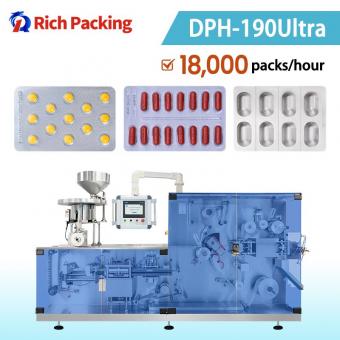
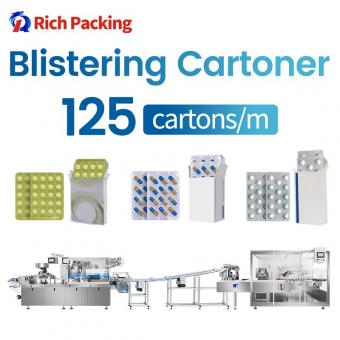
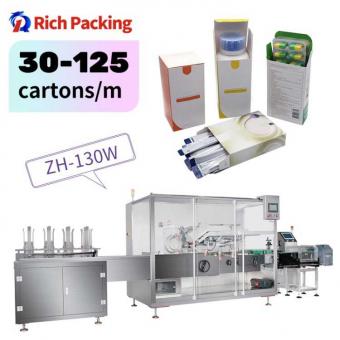
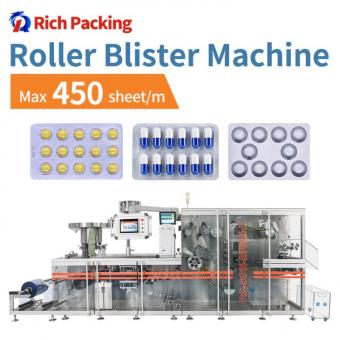
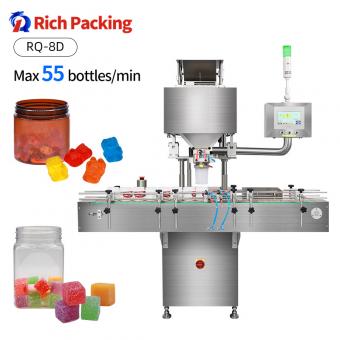
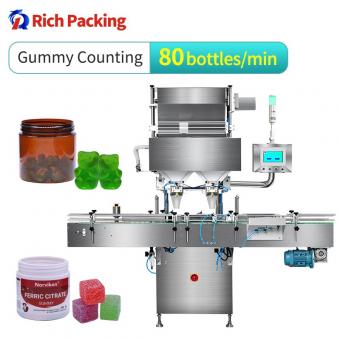
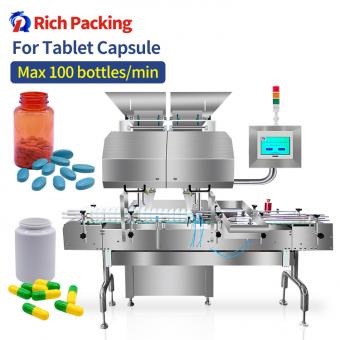
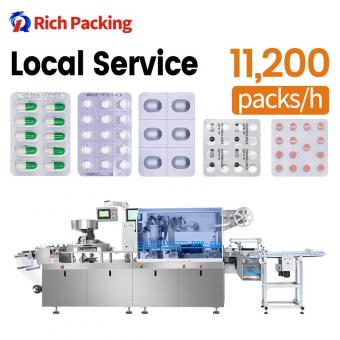
29+ years in pharmaceutical machinery, covering capsule filling, tablet pressing, blister packaging, tablet and capsule counting, cartoning, GMP production, and overseas machine service.

Les comprimés effervescents sont placés dans l’eau avant utilisation. Une fois ajoutés, ils libèrent des bulles, se désagrègent et forment une solution ou une suspension plus facile à boire qu’un grand comprimé conventionnel à avaler.
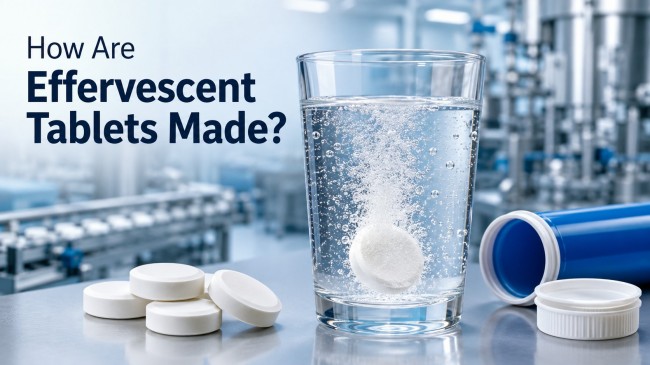
La même réaction qui les rend pratiques les rend également plus difficiles à fabriquer. Leurs ingrédients doivent rester secs jusqu’à ce que le comprimé atteigne l’utilisateur. L’humidité qui pénètre pendant le stockage, le mélange, la compression des comprimés, le transfert ou le conditionnement peut déclencher la réaction trop tôt et affecter la stabilité du produit.
Alors, comment fabrique-t-on des comprimés effervescents tout en gardant cette réaction sous contrôle ? La production nécessite des ingrédients adaptés, une manipulation contrôlée, un mélange ou une granulation homogène, une compression stable des comprimés et un emballage qui limite l’exposition à l’humidité. Chaque étape doit fonctionner avec la suivante, car un comprimé bien comprimé peut tout de même échouer s’il est manipulé brutalement ou mal scellé.
Les comprimés effervescents sont des produits solides conçus pour se dissoudre ou se disperser dans l’eau avant d’être consommés. Ils sont couramment utilisés pour les médicaments, les vitamines, les minéraux, les électrolytes et d’autres produits préparés sous forme de boisson.
Contrairement à un comprimé conventionnel avalé directement, un comprimé effervescent contient un composant acide et un composant carbonate ou bicarbonate. Ces ingrédients restent stables lorsqu’ils sont secs. Après l’ajout d’eau, ils se dissolvent et réagissent en libérant du dioxyde de carbone. Les bulles aident à désagréger le comprimé et à répartir ses ingrédients dans le liquide.
Les sources d’acide courantes comprennent l’acide citrique et l’acide tartrique, tandis que le bicarbonate de sodium est un composant alcalin largement utilisé. Les ingrédients exacts et leurs proportions dépendent du produit. La vitesse de réaction dépend également de la solubilité des ingrédients, de la taille des particules, de la densité du comprimé, du volume d’eau et de la température de l’eau. L’effervescence est donc un résultat de la formulation, et non l’effet d’un seul ingrédient.
Une formulation complète peut également inclure un principe actif, des agents de charge, des liants, des arômes, des édulcorants, des lubrifiants et des agents d’écoulement. Ces composants influencent à la fois la boisson finale et le comportement de la poudre pendant la production.
Les comprimés effervescents sont souvent plus grands et plus sensibles à l’humidité que les comprimés conventionnels. Leur taille influence l’alimentation en poudre, la compression, l’évacuation et le transfert. Leur sensibilité à l’humidité affecte le stockage des matières premières, les conditions ambiantes, la conservation temporaire et le scellage final.
Les composants acides et alcalins créent la réaction effervescente, mais la formulation complète détermine si la poudre peut être traitée de manière fiable.
Les différents acides se comportent différemment pendant la fabrication. Certains absorbent l’humidité plus facilement, certains s’écoulent moins bien et certains sont plus susceptibles de coller pendant la compression. Des recherches comparant des sources d’acide courantes ont montré des différences nettes en matière d’hygroscopicité, de fluidité, de compressibilité et d’aptitude à la compression en comprimés. Une seule méthode de production ne peut donc pas être appliquée à toutes les formulations sans essais.
Le composant alcalin influence également la teneur en sodium ou en potassium, le comportement de réaction et le goût. Les fabricants sélectionnent le système acide-carbonate en fonction du produit prévu plutôt qu’en fonction du seul coût.
Le principe actif peut modifier l’écoulement de la poudre, la compactabilité, le goût et la sensibilité à l’humidité. Les agents de charge aident à atteindre la taille et le poids de comprimé requis. Les liants améliorent la résistance, tandis que les lubrifiants réduisent la friction pendant la compression et l’éjection des comprimés.
La formulation doit équilibrer plusieurs objectifs :
L’amélioration d’une propriété peut en affaiblir une autre. Une compression plus élevée peut améliorer la résistance mais ralentir la pénétration de l’eau. Davantage de lubrifiant peut réduire le collage mais affecter la liaison ou la dissolution. Le développement dépend donc de la formulation complète et du procédé plutôt que d’un seul réglage.
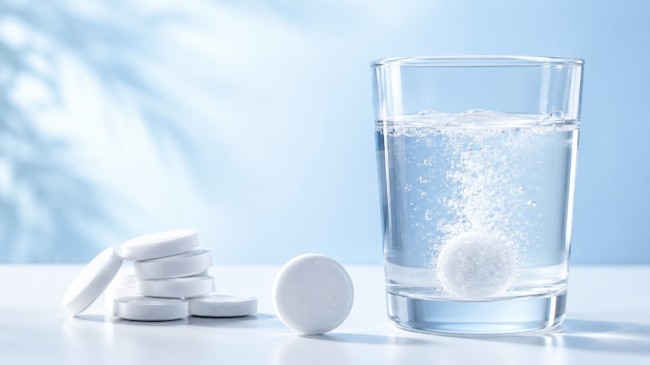
Le procédé de fabrication des comprimés effervescents suit généralement cette séquence :
Préparation des matières premières
→ tamisage et conditionnement
→ mélange ou granulation
→ mélange final
→ compression des comprimés
→ dépoussiérage et inspection
→ emballage protecteur
Le procédé exact dépend des propriétés des matériaux, de la taille du lot, des exigences du produit et des conditions de procédé validées.
Les matières premières sont vérifiées, pesées et préparées conformément à la formule du lot. Les agglomérats sont éliminés par tamisage ou broyage lorsque cela est nécessaire, et les ingrédients sont protégés contre une exposition inutile à l’air humide.
La taille des particules influence l’écoulement, la ségrégation, le mélange et la compression des comprimés. De grandes différences entre les ingrédients peuvent rendre la distribution uniforme plus difficile. Les poudres très fines peuvent mal s’écouler ou adhérer aux surfaces des équipements, tandis que les granulés fragiles peuvent se briser lors d’une manipulation excessive.
Des matières premières sèches ne garantissent pas à elles seules un procédé stable. Les conteneurs, les lignes de transfert et la salle de production des comprimés doivent également être propres et secs.
Les formulations effervescentes sont couramment préparées par compression directe, granulation sèche ou méthode de granulation contrôlée.
La compression directe est la voie la plus courte. Les poudres préparées sont mélangées avec des excipients appropriés et envoyées à la presse à comprimés. Elle ne fonctionne que lorsque le mélange présente une fluidité, une compressibilité et une uniformité de teneur adéquates. De nombreuses poudres acides ne possèdent pas naturellement ces trois propriétés, de sorte que la compression directe nécessite souvent des qualités sélectionnées, un contrôle de la taille des particules ou des excipients de soutien.
La granulation sèche densifie la formulation sans ajout de liquide. Elle peut améliorer la fluidité et réduire la ségrégation tout en évitant une exposition inutile à l'eau. Les rubans ou compacts obtenus sont broyés en granulés avant le mélange final et la compression.
La granulation humide contrôlée ou à base de solvant est utilisée pour certaines formulations sélectionnées. Les composants acides et alcalins peuvent être traités séparément, ou un système liant non aqueux peut être utilisé lorsque cela est justifié. La méthode, les conditions de séchage, les contrôles des solvants résiduels et le niveau d'humidité final doivent être développés pour le produit spécifique.
Les poudres ou granulés sélectionnés sont mélangés jusqu'à ce que la formulation atteigne l'uniformité requise. Le temps de mélange, le niveau de remplissage, l'ordre de chargement, les propriétés des particules et la conception du mélangeur influencent tous le résultat.
Un temps de mélange plus long n'améliore pas toujours l'uniformité. Les ingrédients présentant des tailles ou des densités différentes peuvent se séparer pendant la décharge ou le transfert même après l'obtention d'un mélange satisfaisant. Le procédé doit donc évaluer le trajet du mélangeur pharmaceutique à la presse à comprimés, et pas seulement l'état à l'intérieur de la cuve.
Les lubrifiants sont souvent ajoutés lors du mélange final. Cette étape nécessite son propre temps contrôlé, car une lubrification insuffisante ou excessive peut affecter la compression et l'éjection des comprimés.
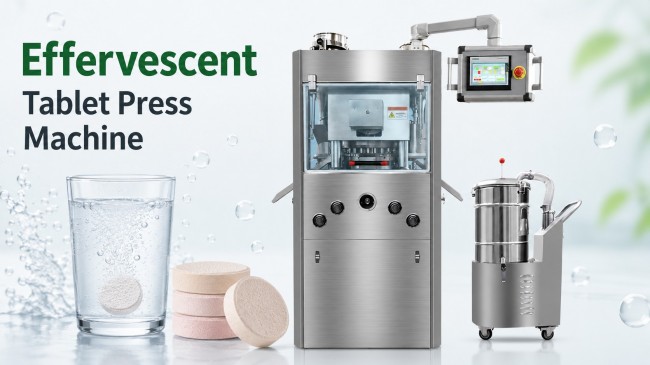
Le mélange est introduit dans une machine de presse à comprimés effervescents, où une quantité définie entre dans chaque matrice et est comprimée en un comprimé.
La sélection et la configuration dépendent de :
Les comprimés effervescents sont souvent grands et relativement lourds, de sorte que la machine doit assurer un remplissage stable et une compression suffisante sans endommager le produit pendant le déchargement. La précompression peut aider à éliminer l'air emprisonné, mais le profil de force approprié dépend toujours de la formulation.
La force de compression des comprimés n'est pas un réglage selon lequel « plus élevé est meilleur ». Une force trop faible produit des comprimés fragiles, tandis qu'une force excessive peut ralentir la pénétration de l'eau ou augmenter les contraintes à l'intérieur du comprimé. Le poids, l'épaisseur, la résistance, la friabilité et le comportement de dissolution doivent être évalués ensemble.
Après la compression, la poudre libre est retirée et les comprimés sont contrôlés conformément au plan qualité du fabricant. Les contrôles typiques peuvent inclure le poids, l'épaisseur, la résistance, la friabilité, l'apparence, l'humidité et les performances de désintégration ou de dissolution.
Les comprimés passent ensuite au conditionnement. Les convoyeurs, goulottes et conteneurs de collecte doivent limiter les impacts et l'exposition prolongée à l'air humide. Les gros comprimés peuvent s'ébrécher lorsque les points de transfert sont mal conçus, tandis que les longs temps d'attente augmentent le risque lié à l'humidité.
Les directives de validation des procédés de la FDA considèrent la fabrication comme un système de cycle de vie plutôt que comme un résultat déterminé par un seul réglage de machine ou un seul lot réussi.
L'eau déclenche la réaction qui permet à un comprimé effervescent de fonctionner. Pendant la fabrication, cette même réaction doit être empêchée.
L'humidité peut pénétrer par les matières premières, l'air ambiant, les résidus de nettoyage, les conteneurs ouverts, les longs temps de transfert ou les fuites d'emballage. Une exposition précoce peut entraîner une agglomération des poudres, une fluidité instable, un collage pendant la compression, des changements visibles du comprimé, une capacité réduite de génération de gaz ou une dissolution irrégulière.
Il n'existe pas de limite universelle d'humidité pour chaque produit. Les conditions ambiantes appropriées dépendent de la formulation, de la sensibilité des matières premières, de la durée du procédé, de la conception de l'équipement et de la vitesse de conditionnement. Le fabricant doit les établir par le développement du produit et du procédé plutôt que de copier une valeur d'un autre produit.
Les contrôles pratiques comprennent le maintien des matériaux sensibles dans des conteneurs fermés, la confirmation que les équipements nettoyés sont secs, la réduction des attentes inutiles, la limitation des transferts ouverts et le placement des comprimés compressés dans un emballage protecteur sans délai évitable.
Une machine en acier inoxydable, une salle sèche ou une fermeture avec dessiccant peuvent soutenir le procédé, mais aucune de ces solutions ne garantit à elle seule la stabilité du produit.
Le conditionnement des comprimés effervescents doit protéger le produit contre l'humidité tout en correspondant à la manière dont les consommateurs vont l'utiliser.
|
Format de conditionnement |
Principaux avantages |
Points à évaluer |
|
Conditionnement en tube |
Emballage compact pour plusieurs comprimés ; accès répété pratique ; peut utiliser une fermeture avec dessiccant |
Nombre de comprimés, dimensions du tube, ajustement de la fermeture, manipulation après ouverture |
|
Emballage blister à haute barrière |
Des alvéoles individuelles protègent des doses séparées |
Matériau de formage, couche de pelliculage, taille des alvéoles, intégrité du scellage |
|
Emballage en bande d'aluminium |
Chaque comprimé est enfermé entre des couches barrières flexibles |
Qualité du scellage, épaisseur du comprimé, méthode d'ouverture, compatibilité avec la machine |
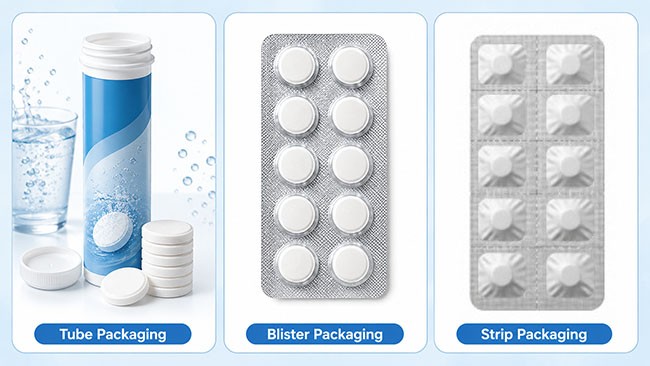
L'emballage en tube est largement utilisé pour les gros comprimés effervescents. Une machine de remplissage de tubes de comprimés effervescentsmachine de remplissage de tubes de comprimés effervescentscompte ou regroupe les comprimés, les charge dans le tube et applique la fermeture. Un dessiccant peut être intégré à la conception de la fermeture pour aider à gérer l'humidité après l'ouverture.
La ligne doit être adaptée au produit réel. Le diamètre du comprimé, son épaisseur, le nombre de comprimés par tube, la longueur du tube, l'ouverture du tube et la conception de la fermeture influencent tous une production stable. Une affirmation de vitesse sans ces conditions donne une image incomplète.
Une machine d'emballage blisterforme des alvéoles, alimente les comprimés et les scelle avec un matériau de pelliculage. Les structures à haute barrière peuvent fournir une protection individuelle lorsque chaque comprimé doit rester scellé jusqu'à son utilisation.
Une machine d'emballage en bandeenferme les comprimés entre deux bandes flexibles sans alvéole préformée. Cela peut offrir une forte performance de barrière, mais la structure du matériau, les conditions de scellage et la méthode d'ouverture doivent convenir au produit.
Aucun type d'emballage n'est automatiquement le meilleur. Le choix dépend des objectifs de barrière contre l'humidité, des études de durée de conservation, de la taille des comprimés, des conditions de distribution, du coût, de la commodité pour l'utilisateur et des performances de l'équipement.
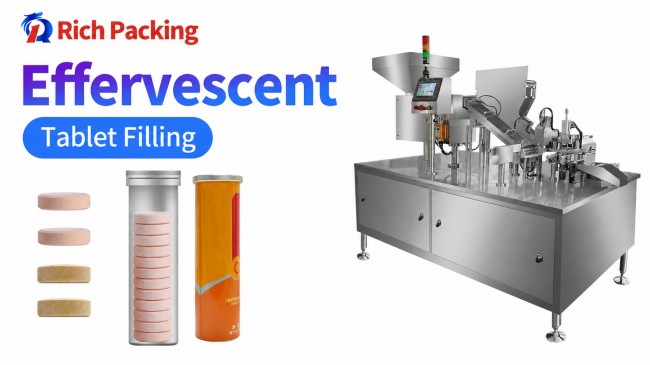
La machine de remplissage de tubes de comprimés effervescents de Rich Packing
L'agglomération de poudre, les changements visibles ou une réduction du bouillonnement peuvent indiquer une exposition à l'humidité. L'enquête doit couvrir les matières premières, les conditions de la salle, la sécheresse de l'équipement, le temps de maintien et l'intégrité de l'emballage.
La variation de poids commence souvent par un écoulement irrégulier de la poudre ou un remplissage instable des matrices. La distribution granulométrique, le comportement de la trémie, le réglage du doseur, la vitesse de la machine et les vibrations doivent être examinés ensemble.
Le collage peut résulter de l'humidité, de propriétés de formulation inadaptées, d'une lubrification insuffisante, de l'état de surface ou d'un réglage inadapté de la compression des comprimés. Augmenter le lubrifiant ou la force sans confirmer la cause peut créer un autre problème.
Des comprimés fragiles peuvent se casser pendant l'évacuation ou l'emballage, mais la conception de la manutention est également importante. La résistance des comprimés, la hauteur de transfert, la vitesse du convoyeur et les pièces de changement de la machine doivent être évaluées comme un seul système.
La contamination du joint, des matériaux inadaptés, des conditions de scellage incorrectes, des problèmes de fermeture ou des dommages de manutention peuvent réduire la protection. Les contrôles de scellage et les études d'emballage font donc partie du contrôle du processus, et pas seulement de l'inspection finale.
La sélection de l'équipement doit commencer par le produit plutôt que par une vitesse indiquée dans un catalogue. Les fabricants doivent fournir les dimensions des comprimés, le poids cible, les propriétés de la poudre, la taille du lot, le débit requis, le format d'emballage, le nombre de comprimés par emballage et les conditions disponibles de la salle.
La presse à comprimés et l'équipement d'emballage doivent être évalués ensemble. Une machine de presse à comprimés peut produire plus de comprimés que la ligne d'emballage ne peut en accepter, tandis qu'une remplisseuse de tubes de comprimés effervescents rapide ne peut pas compenser une qualité de comprimé instable ou un approvisionnement irrégulier.
Rich Packing examine les dimensions des comprimés, le débit cible, les spécifications des tubes et les exigences d'emballage avant de recommander une machine de presse à comprimés effervescents ou une configuration de remplissage de tubes. Les essais de matériaux et d'emballage restent importants, car le comportement réel du produit fournit des preuves plus utiles qu'une description générale de la machine.
Comment fabriquer des comprimés effervescents avec succès ? Le processus commence par une formulation acide-carbonate stable et se poursuit par une préparation contrôlée des matières premières, un mélange ou une granulation, une compression, un transfert soigneux et un emballage protecteur contre l'humidité.
Aucun ingrédient, aucune machine ou aucun matériau d'emballage unique ne détermine le résultat. Une production fiable vient de l'adaptation des propriétés des matériaux, des paramètres du processus, du contrôle environnemental, de la manutention, des tests et de l'emballage en un système connecté.
Ce sont des comprimés conçus pour se dissoudre ou se disperser dans l’eau avant utilisation, en libérant du dioxyde de carbone lorsque les composants acides et alcalins réagissent.
L’eau dissout les composants acides et carbonates ou bicarbonates, ce qui leur permet de réagir et de libérer des bulles qui aident à désagréger le comprimé.
Oui, lorsque le mélange présente une fluidité, une compressibilité et une uniformité appropriées. D’autres formulations nécessitent une granulation à sec ou un autre procédé contrôlé.
L’humidité peut déclencher la réaction acide–carbonate avant utilisation, ce qui affecte l’écoulement de la poudre, la stabilité du comprimé et les performances finales.
Le meilleur format dépend des besoins en matière de barrière contre l’humidité, de la taille des comprimés, du nombre d’unités par emballage, des études de durée de conservation, des conditions de distribution et des exigences des utilisateurs.
Nous proposons une sélection haut de gamme de paillis. Tous nos paillis sont déchiquetés deux fois, durables et issus de matériaux durables. Ils améliorent l’attrait extérieur, favorisent la rétention de l’humidité du sol et empêchent la croissance des mauvaises herbes. Nous proposons une sélection haut de gamme de paillis. Tous nos paillis sont déchiquetés deux fois, durables et issus de matériaux durables. Ils améliorent l’attrait extérieur, favorisent la rétention de l’humidité du sol et empêchent la croissance des mauvaises herbes.
Nous proposons une sélection haut de gamme de paillis. Tous nos paillis sont déchiquetés deux fois, durables et issus de matériaux durables. Ils améliorent l’attrait extérieur, favorisent la rétention de l’humidité du sol et empêchent la croissance des mauvaises herbes. Nous proposons une sélection haut de gamme de paillis. Tous nos paillis sont déchiquetés deux fois, durables et issus de matériaux durables. Ils améliorent l’attrait extérieur, favorisent la rétention de l’humidité du sol et empêchent la croissance des mauvaises herbes.
Nous proposons une sélection haut de gamme de paillis. Tous nos paillis sont déchiquetés deux fois, durables et issus de matériaux durables. Ils améliorent l’attrait extérieur, favorisent la rétention de l’humidité du sol et empêchent la croissance des mauvaises herbes. Nous proposons une sélection haut de gamme de paillis. Tous nos paillis sont déchiquetés deux fois, durables et issus de matériaux durables. Ils améliorent l’attrait extérieur, favorisent la rétention de l’humidité du sol et empêchent la croissance des mauvaises herbes.
Nous proposons une sélection haut de gamme de paillis. Tous nos paillis sont déchiquetés deux fois, durables et issus de matériaux durables. Ils améliorent l’attrait extérieur, favorisent la rétention de l’humidité du sol et empêchent la croissance des mauvaises herbes. Nous proposons une sélection haut de gamme de paillis. Tous nos paillis sont déchiquetés deux fois, durables et issus de matériaux durables. Ils améliorent l’attrait extérieur, favorisent la rétention de l’humidité du sol et empêchent la croissance des mauvaises herbes.
--------------réservé---------------

29+ years in pharmaceutical machinery, covering capsule filling, tablet pressing, blister packaging, tablet and capsule counting, cartoning, GMP production, and overseas machine service.

E-mail : manager@richpacking.cn
Building D, No. 226, Beishan Qiaotou Street, Haizhu District, Guangzhou City, Guangdong Province, China


 Réseau IPv6 pris en charge