






 Domicile
 Des produits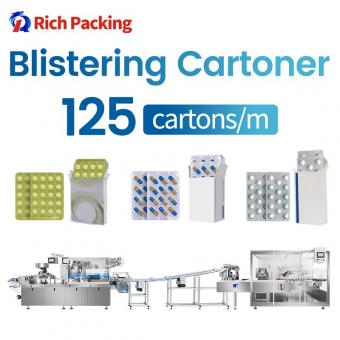
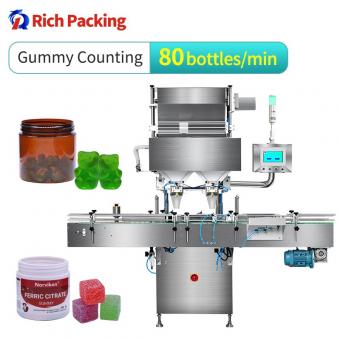
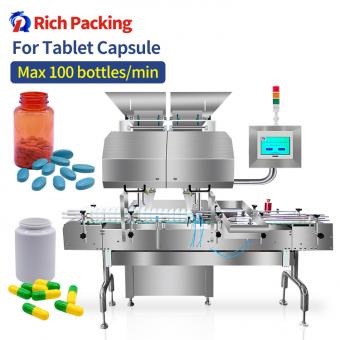
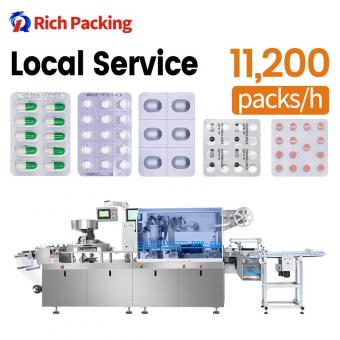
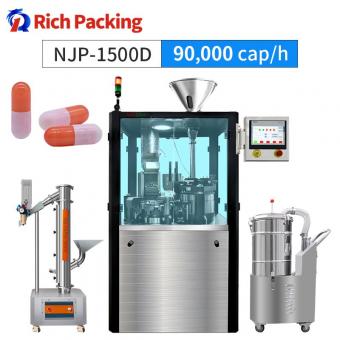
29+ years in pharmaceutical machinery, covering capsule filling, tablet pressing, blister packaging, tablet and capsule counting, cartoning, GMP production, and overseas machine service.

L'emballage primaire est la première couche qui contient directement un médicament (ou qui scelle directement la dose). Cela peut paraître un détail, mais il est souvent déterminant pour la stabilité, la sécurité et la constance d'un produit, de sa production à son utilisation par le patient.
Pour de nombreux comprimés et gélules, un changement « mineur » — passage d'un blister à un flacon, modification de l'opercule, utilisation d'un revêtement différent — peut altérer l'exposition à l'humidité, le contact avec l'oxygène ou la protection physique. C'est pourquoi de nombreux fabricants considèrent l'emballage primaire comme bien plus qu'un simple contenant : il s'agit d'un système de protection qui influe sur la durée de conservation, le risque de casse et la fiabilité des décisions relatives à la libération des lots.
Pour simplifier, si l'on retire tout sauf la couche qui contient et protège la dose, il reste généralement l'emballage primaire. Cette définition précise facilite grandement la comparaison des formats, des matériaux et (plus loin dans cet article) des équipements d'emballage et des flux de production associés à chaque option.
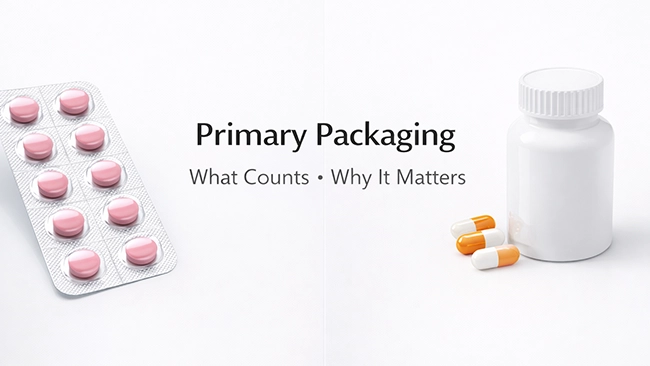
C’est l’emballage qui contient directement le médicament et qui constitue la barrière immédiate entre le produit et l’environnement extérieur. Dans la plupart des cas, c’est également cette couche qui crée le « scellement » protégeant la dose.
Voici quelques exemples courants :
● Plaquettes thermoformées : la plaquette thermoformée contenant chaque comprimé/capsule plus le matériau de scellage (souvent une feuille d'aluminium) qui la ferme.
● Bouteilles : la bouteille et son système de fermeture (bouchon, joint, opercule à induction le cas échéant). Autrement dit, le « système bouteille », et non pas seulement la forme de la bouteille.
● Sachets / pochettes : la structure du film qui contient et scelle directement la poudre, les granulés ou la dose unique.
● Flacons / ampoules : le récipient lui-même, et pour les flacons, le bouchon et le joint faisant partie du système de fermeture.
● Seringues pré-remplies : le corps et les composants de fermeture qui assurent l'étanchéité et la protection du médicament.
Ce qui n'est généralement pas considéré comme un emballage primaire :
● Cartons (boîtes en papier), notices, emballages sous film rétractable et la plupart des étiquettes extérieures. Il s'agit généralement d'emballages secondaires ou tertiaires — toujours importants, mais ne constituant pas la première barrière de protection.
Si l’emballage primaire est le « protecteur de la dose », l’emballage secondaire est souvent « l’organisateur et le communicateur de la dose ».
● L'emballage primaire est axé sur la protection : barrière contre l'humidité, l'oxygène et la lumière, intégrité du scellage, compatibilité et protection physique.
● L'emballage secondaire met l'accent sur la présentation et l'information : espace d'étiquetage, éléments de sécurité, instructions destinées au patient et organisation unitaire (comme les boîtes contenant plusieurs blisters ou flacons).
Un exemple concret :
● Un emballage blister est un emballage primaire car chaque blister constitue une barrière scellée autour de la dose.
● L'emballage cartonné contenant la plaquette thermoformée est généralement un emballage secondaire car il ne scelle pas directement la dose, mais il transporte l'étiquetage, les notices et assure un support physique pendant la distribution.
Cette distinction est importante car, lorsqu'un emballage change, cela suscite souvent une attention accrue concernant les risques liés à la stabilité et les exigences en matière de documentation. Les organismes de réglementation considèrent le concept de fermeture du contenant comme faisant partie intégrante de l'histoire de la qualité du produit, et non comme un simple choix marketing. L'Agence américaine des produits alimentaires et médicamenteux (FDA) )
De nombreux produits à dose solide (y compris les compléments alimentaires courants) sont sensibles à l'humidité. Celle-ci peut modifier la dureté des comprimés, accélérer leur dégradation ou rendre les capsules molles ou collantes. Les emballages primaires tels que les plaquettes thermoformées à haute barrière ou les flacons bien conçus contribuent à limiter l'exposition à l'humidité.
L'oxygène est un ennemi lent et invisible pour certains principes actifs et excipients. Un emballage « suffisant » pour un produit peut ne pas l'être pour un autre plus sensible à l'oxydation. L'essentiel n'est pas la perfection, mais de réduire suffisamment l'exposition à l'oxygène pour respecter la durée de conservation prévue.
La sensibilité à la lumière est facile à sous-estimer car le produit peut paraître intact alors que le principe actif se dégrade lentement. Les flacons ambrés, les blisters opaques et les emballages carton peuvent tous jouer un rôle, mais la véritable « première barrière » reste la couche en contact direct avec la dose.
Même lorsque la composition chimique est stable, des dommages physiques peuvent engendrer des problèmes de qualité : comprimés cassés, poudre, bords ébréchés ou capsules dont la surface est altérée. L’emballage primaire contribue également à préserver l’intégrité du dosage pendant le transport et la manutention, notamment pour les comprimés enrobés, les formes fragiles et les produits multi-références.
Voici une comparaison simple à utiliser lorsque vous raisonnez en termes de « format d'abord » (et non de chimie des matériaux). C'est également à ce stade que la notion de « protection » trouve naturellement son lien avec les équipements d'emballage en aval.
|
Format principal |
Médicaments courants |
Ce qu'il protège le mieux |
Compromis typiques |
Implications relatives à l'équipement |
|
Plaquettes thermoformées (dose unitaire) |
Comprimés, gélules |
Excellente protection contre l'humidité et l'oxygène (avec le couvercle approprié) ; protection dose par dose ; garantie d'inviolabilité renforcée |
Le choix du design et des matériaux est important ; les changements de format nécessitent un outillage ; l’espace graphique est limité sur la face blister. |
Souvent associée à une machine de conditionnement sous blister, puis mise en carton pour l'emballage secondaire. |
|
Bouteilles + système de fermeture |
Comprimés, gélules, gommes à mâcher |
Pratique pour les consommateurs ; conditionnements flexibles ; plus d’espace pour l’étiquetage |
Le contrôle de l'humidité et de l'oxygène dépend fortement du système de fermeture/de l'opercule et de l'espace libre ; l'abrasion des comprimés peut être un problème. |
Souvent associée à une ligne de comptage et d'embouteillage (comptage/remplissage + bouchage), puis à l'emballage en carton en option |
|
Sachets / pochettes (à dose unique) |
Poudres, granulés, certains effervescents |
Bonne protection en dose unique ; portabilité ; contrôle des portions |
La qualité du scellage et le choix du film sont importants ; moins pratique pour les traitements à doses multiples. |
Souvent associé à machine d'emballage en bâtonnets Machine d'emballage en sachets ; mise en carton en option selon la présentation |
|
Flacons / ampoules |
Liquides, injectables |
Protection renforcée du conteneur |
Le format est moins flexible ; l'emballage et la manutention sont souvent plus complexes. |
Généralement associé aux systèmes de remplissage et de finition stériles (hors du champ d'application de cet article) |
|
Seringues pré-remplies |
Produits biologiques, injectables |
Facilité d'administration ; manipulation réduite |
Exigences élevées en matière de qualité des composants |
Systèmes stériles spécialisés ; non comparables aux lignes de production de doses solides |
Si vos produits sont principalement des comprimés/gélules, les plaquettes thermoformées et les flacons impliquent généralement la majeure partie des décisions pratiques.
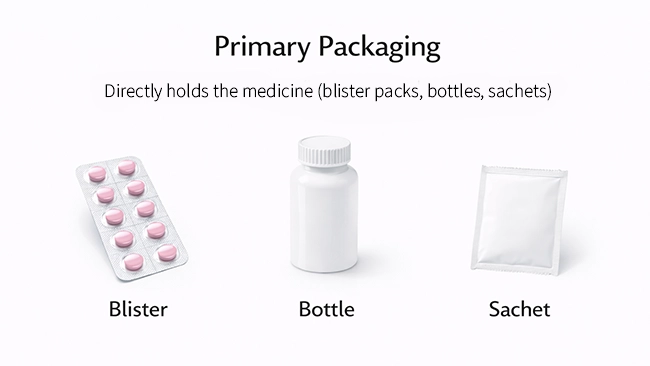
Les matériaux sont souvent source de confusion, il faut donc garder l'objectif simple : les matériaux déterminent le comportement de la barrière et le risque de compatibilité.
● Les plastiques (utilisés pour les bouteilles, certains films blister et les sachets) présentent des propriétés de barrière à l'humidité et à l'oxygène très variables. Le terme « plastique » ne désigne pas une seule matière, mais une famille de plastiques.
● Les feuilles d'aluminium et les films multicouches (notamment dans les blisters et les sachets) peuvent constituer des barrières beaucoup plus résistantes que de nombreux plastiques, mais ils présentent des inconvénients en termes de coût, de recyclabilité et de formation/scellage des fenêtres.
● Le verre (courant dans les flacons et certaines bouteilles) est souvent considéré comme un matériau barrière efficace, mais la protection globale dépend toujours du système de fermeture complet du récipient, et non du récipient seul.
Une approche utile pour les débutants : le format détermine la tâche, les matériaux déterminent la qualité du travail accompli. C’est pourquoi le format et le matériau principaux sont souvent abordés conjointement lors de la planification de la stabilité, notamment pour les produits destinés à une longue durée de conservation ou à des conditions de distribution difficiles.
Les organismes de réglementation et les fabricants expérimentés évoquent souvent le système de fermeture des contenants, car la véritable protection provient de l'ensemble du système, et non d'un seul composant. Par exemple, une bouteille sans joint ou système d'étanchéité adapté peut se comporter très différemment de la même bouteille dotée d'un système de fermeture plus performant.
Concepts clés :
● Système de fermeture de conteneur (CCS) : le récipient + tous les composants qui créent et maintiennent l'étanchéité (bouchon, doublure, opercule en aluminium, etc.).
● Intégrité du joint : le joint reste-t-il fiable dans le temps et dans les conditions d'expédition/de manutention prévues ?
● Compatibilité Les composants du produit et de l'emballage peuvent-ils interagir de manière à affecter la qualité (par exemple, adsorption, migration ou transfert d'odeurs) ?
● Sensibilité au changement : les modifications apportées à l'emballage peuvent entraîner une réévaluation, car de petites différences entre les composants peuvent modifier les hypothèses de performance ou de risque.
La plupart des formes orales solides sont initialement commercialisées sous forme de comprimés ou de gélules. Ce choix en amont implique généralement l'utilisation d'équipements tels qu'une presse à comprimés ou une remplisseuse de gélules en début de processus, mais cet article se concentre sur les étapes qui se déroulent lorsque le produit est prêt à être conditionné.
Une fois la dose prête, la décision concernant l'emballage tend à figer un flux d'emballage typique :
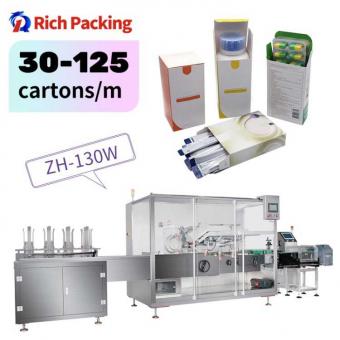
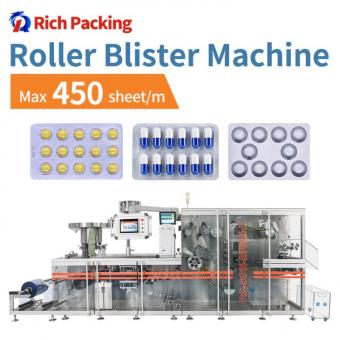
● Conditionnement en blisters (dose unitaire) : Les doses sont disposées et scellées dans des alvéoles thermoformées, puis transférées dans un emballage secondaire tel que des boîtes en carton. En termes d'équipement, on observe généralement un machine d'emballage sous blister suivi d'un machine à encartonner (et parfois des étapes d'impression/d'inspection en fonction du produit et des exigences du marché).
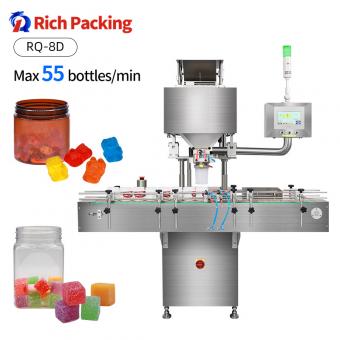
● Écoulement en bouteille Les doses sont comptées (ou réparties autrement) dans des flacons, puis ces derniers sont fermés et étiquetés, avec possibilité d'emballage en carton pour la vente au détail ou une protection supplémentaire. En termes d'équipement, cela implique généralement : machine à compter les comprimés (ou une ligne de comptage et d'embouteillage plus large) puis des opérations en aval comme le bouchage et la mise en carton en option.
Cette connexion vous permet d'éviter deux erreurs courantes :
1. Choisir un format principal sans se demander si la ligne peut maintenir une sortie et une protection constantes, et
2. supposer qu’un changement d’emballage n’est « qu’un changement d’emballage » alors qu’il peut modifier le risque de stabilité et les attentes en matière de documentation.
Erreur n° 1 : « Une barrière plus solide est toujours préférable. »
Parfois oui, mais pas toujours. Une barrière plus épaisse peut augmenter les coûts, limiter la flexibilité des formats ou compromettre les objectifs de développement durable. La « meilleure » barrière est celle qui garantit une durée de conservation et des conditions d’utilisation optimales.
Erreur n° 2 : « L’emballage primaire est indépendant de la stabilité. »
En pratique, la planification de la stabilité considère souvent l'emballage comme faisant partie intégrante du modèle de protection du produit. La fermeture du contenant et les conditions de stockage ont une incidence directe sur la durée de conservation.
Erreur n° 3 : « Le passage de l’emballage blister à la bouteille est une simple décision marketing. »
Il peut s'agir d'une décision en matière d'image de marque, mais c'est aussi un changement de système de protection : différents schémas d'exposition à l'humidité, différentes manipulations physiques et différentes attentes en matière de preuves.
Erreur n°4 : « Si le produit est scellé aujourd’hui, il le restera pendant toute sa durée de conservation. »
La fiabilité d'un joint d'étanchéité dépend de ses performances dans le temps et sous l'effet des contraintes réparties, et non pas d'un seul instant de production.
Quelques tendances se dégagent régulièrement, tant dans le secteur pharmaceutique que dans celui des compléments alimentaires :
● Pression en faveur du développement durable : intérêt accru pour les structures recyclables et la réduction des matériaux, ce qui peut engendrer de nouveaux compromis en matière de barrières.
● Plus d'informations sur l'emballage : la traçabilité, des instructions plus claires et les exigences d'étiquetage spécifiques au marché peuvent modifier l'utilisation des emballages secondaires, même lorsque l'emballage primaire reste le même.
● Exigences accrues en matière de constance : à mesure que le nombre de références augmente, les fabricants se soucient davantage de la performance prévisible et évolutive des emballages.
Ces tendances ne désignent pas un seul format « gagnant », mais elles incitent les acheteurs à se poser de meilleures questions sur les objectifs que doit atteindre l'emballage.
Si vous débutez dans le domaine des décisions d'emballage, ces questions constituent un excellent point de départ :
1. Dans quelle mesure le produit est-il sensible à l'humidité, à l'oxygène ou à la lumière ?
2. À quel point la dose est-elle fragile pendant le transport et la manipulation quotidienne ?
3. Comment le client l'utilisera-t-il : pour une portabilité en dose unique ou pour la commodité des doses multiples ?
4. De quoi votre marché cible a-t-il besoin en matière d'étiquetage, de preuve d'inviolabilité ou de résistance à la sécurité enfant ?
5. Quel flux d'emballage correspond le mieux à votre plan de montée en puissance : blister d'abord ou bouteille d'abord ?
Si vous pouvez répondre clairement à ces questions, vous éviterez généralement les erreurs d'emballage les plus coûteuses.
L’emballage primaire constitue la première couche protectrice du médicament et, pour de nombreux produits, il fait partie intégrante du produit lui-même. Comprendre ce qu’est un emballage primaire permet de comparer les formats et les matériaux avec un objectif plus clair : préserver la stabilité, maintenir l’intégrité du dosage et garantir une utilisation sûre.
De même, le choix du format principal est intrinsèquement lié au flux de conditionnement standard et aux machines qui le gèrent. Les approches « blister d’abord » et « bouteille d’abord » répondent chacune à des problématiques différentes, et le choix « idéal » est celui qui correspond aux risques liés à votre produit, à votre cas d’utilisation et à vos besoins de montée en puissance.
1) Comment l'emballage primaire affecte-t-il la durée de conservation ?
Il contrôle l'exposition à l'humidité, à l'oxygène et à la lumière, et protège physiquement la dose. Différents formats et matériaux peuvent modifier le profil de risque lié à la stabilité du produit.
2) Qu'est-ce qu'un système de fermeture de conteneur en termes simples ?
Il s'agit du récipient et de tous les éléments qui créent et maintiennent l'étanchéité (bouchon, doublure, opercule en aluminium, etc.).
3) Que signifie l'intégrité du joint et pourquoi est-ce important ?
L'intégrité du scellage dépend de sa fiabilité pendant le stockage et la distribution. Un scellage défectueux peut compromettre l'efficacité de la barrière dont votre produit a besoin.
4) Comment choisir entre le blister et le flacon pour les comprimés ou les gélules ?
Commencez par évaluer la sensibilité à l'humidité et les besoins de protection des doses, puis tenez compte de la facilité d'utilisation et des exigences d'étiquetage. Les blisters offrent généralement une meilleure protection des doses unitaires ; les flacons, quant à eux, sont souvent plus pratiques.
l FDA — Systèmes de fermeture des contenants pour l'emballage des médicaments et produits biologiques à usage humain (lignes directrices).

29+ years in pharmaceutical machinery, covering capsule filling, tablet pressing, blister packaging, tablet and capsule counting, cartoning, GMP production, and overseas machine service.

E-mail : manager@richpacking.cn
Building D, No. 226, Beishan Qiaotou Street, Haizhu District, Guangzhou City, Guangdong Province, China


 Réseau IPv6 pris en charge