






 Domicile
 Des produits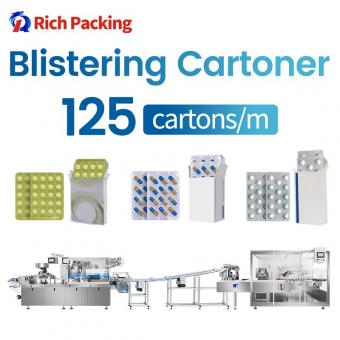
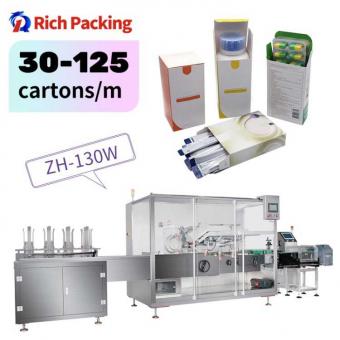
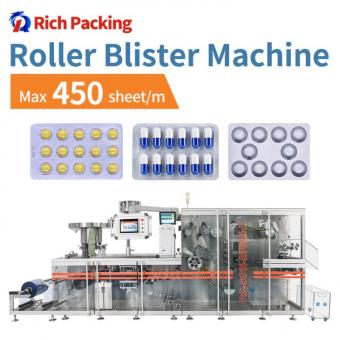
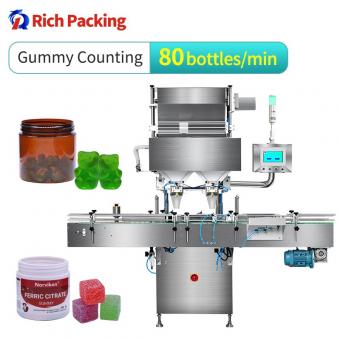
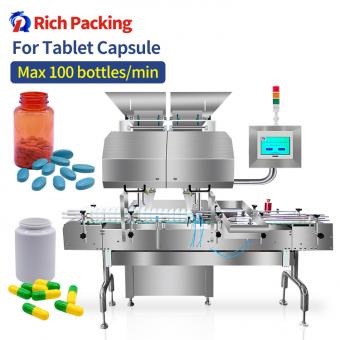
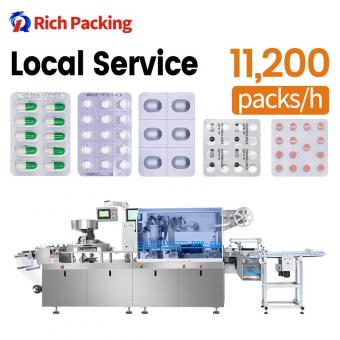
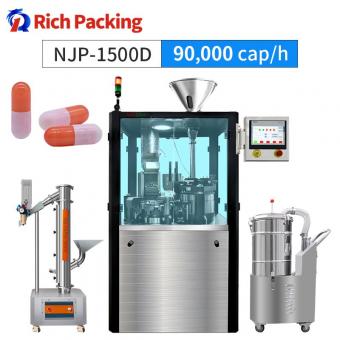
29+ years in pharmaceutical machinery, covering capsule filling, tablet pressing, blister packaging, tablet and capsule counting, cartoning, GMP production, and overseas machine service.

Ces blisters en plastique à prélever par-dessus ou ces fines bandes d'aluminium — lequel protège réellement le mieux vos médicaments ?
Porté par des normes de stabilité plus strictes et une adoption accrue des plaquettes thermoformées et des plaquettes de conditionnement, le marché mondial des emballages unidoses devrait dépasser les 60 milliards de dollars américains dans les prochaines années. Des millions de comprimés et de gélules sortent chaque jour des usines, la plupart conditionnés sous plaquettes thermoformées ou plaquettes de conditionnement.
Vous n'y pensez probablement pas beaucoup lorsque vous prenez une vitamine ou un médicament, mais comprendre ce qu'est un emballage sous blister en pharmacie et les différences avec un emballage en bandelette peut aider les fabricants et les patients à choisir le format de bandelette sous blister ou de bandelette médicamenteuse le plus adapté en termes de sécurité et de praticité.
Dans cet article, nous allons explorer le fonctionnement des emballages blister et en bande, ce qui rend chaque format exceptionnel et comment les fabricants choisissent l'emballage et la machine adaptés pour une production sans accroc.

Points clés à retenir
● Que signifie l'emballage blister, comment il est fabriqué et questions fréquentes.
● Qu’est-ce qu’un emballage en bande et comment sont fabriqués les emballages en bande ?
● Comparaison, du point de vue des fabricants, des formats d'emballage blister et d'emballage en bande.
● Comment choisir les machines de conditionnement sous blister et les machines de conditionnement en bande, et quelles caractéristiques de la machine sont importantes ?
Avez-vous déjà remarqué les petits emballages en plastique et aluminium de vos vitamines ou analgésiques ? Ce sont des plaquettes thermoformées. Le conditionnement sous blister consiste à sceller les comprimés ou les gélules dans des alvéoles individuelles, généralement recouvertes d'une feuille d'aluminium. C'est l'une des formes de conditionnement sous blister les plus courantes pour les médicaments et les compléments alimentaires, conçue pour protéger les médicaments de l'humidité, de la lumière et de la contamination.
Voici quelques informations sur les conditionnements de médicaments en plaquettes thermoformées :
● Elles peuvent être fabriquées en plastique rigide ou semi-rigide, souvent en PVC ou en PVDC, formant des cavités individuelles.
● Chaque cavité est scellée avec une feuille d'aluminium ou un film plastique pour protéger le médicament.
● De nombreux emballages de médicaments sous blister peuvent être conçus pour une utilisation à dose unique, améliorant ainsi l'observance du traitement par le patient.
Il existe plusieurs types de plaquettes thermoformées, chacune conçue pour un besoin spécifique. Les fabricants choisissent le type de plaquette en fonction de la sensibilité du produit, de la cadence de production et des exigences de prise en charge du patient. Par conséquent, connaître les principaux types permet d'optimiser la protection, la praticité et l'efficacité.
1. Ampoules carieuses formées
Également appelées blisters thermoscellés, ces plaquettes thermoformées utilisent la chaleur pour mouler une feuille de plastique en alvéoles parfaitement adaptées à chaque comprimé ou gélule. Ce type d'emballage est largement utilisé pour les médicaments et les plaquettes de gélules car il offre une excellente protection contre l'humidité et la lumière.
Utilisations typiques :
♦ Comprimés sensibles à l'humidité
♦ Capsules à enrobage fragile
♦ Produits nécessitant une longue durée de conservation
2. Ampoules formées à froid
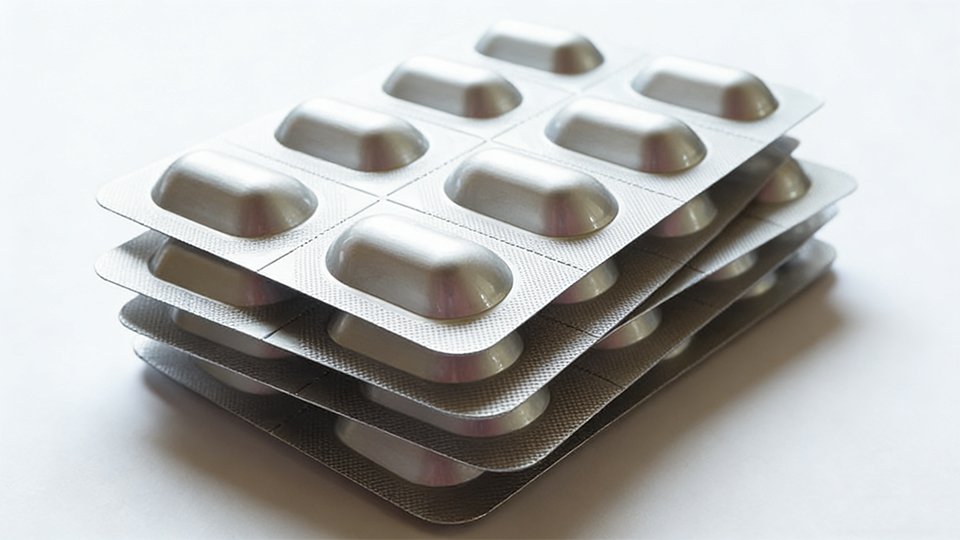
Les blisters formés à froid utilisent des laminés à base d'aluminium pressés plutôt que moulés. Ils offrent des propriétés de barrière à l'humidité et à l'oxygène supérieures à celles des blisters en PVC standard, ce qui les rend idéaux pour les produits pharmaceutiques très sensibles.
Avantages :
♦ Durée de conservation maximale
♦ Barrière renforcée pour l'emballage des bandes adhésives
♦ Compatible avec les machines de conditionnement sous blister à grande vitesse
3. Décoller les ampoules
Les plaquettes thermoformées, ou plaquettes scellées sous film aluminium, sont des emballages longs et étroits contenant des doses individuelles disposées en une seule rangée. Légères et compactes, elles facilitent l'observance du traitement en simplifiant le suivi des doses quotidiennes. De nombreux compléments alimentaires et médicaments sans ordonnance sont conditionnés sous plaquettes thermoformées pour plus de praticité.
Les plaquettes thermoformées et les plaquettes à usage unique utilisent des matériaux clés similaires pour garantir la sécurité, la facilité de manipulation et la stabilité des comprimés et des gélules. Le choix de la bonne combinaison influe sur la durée de conservation, le confort du patient et l'efficacité de la production, ce qui explique la forte demande pour les emballages unidoses. Voici un aperçu des quatre principaux matériaux :
■ Papier aluminium
La feuille d'aluminium constitue la principale barrière, aussi bien dans les emballages blister que dans les plaquettes thermoformées, protégeant ainsi les produits sensibles comme la vitamine C ou les capsules d'huile de poisson de l'humidité, de l'oxygène et de la lumière.
■ Films plastiques
Les sachets contenant chaque comprimé sont constitués d'un film plastique, généralement en PVC ou en PET. Lisses et souples, ils protègent les comprimés et permettent même d'imprimer le numéro de lot directement sur l'emballage.
■ Stratifiés multicouches
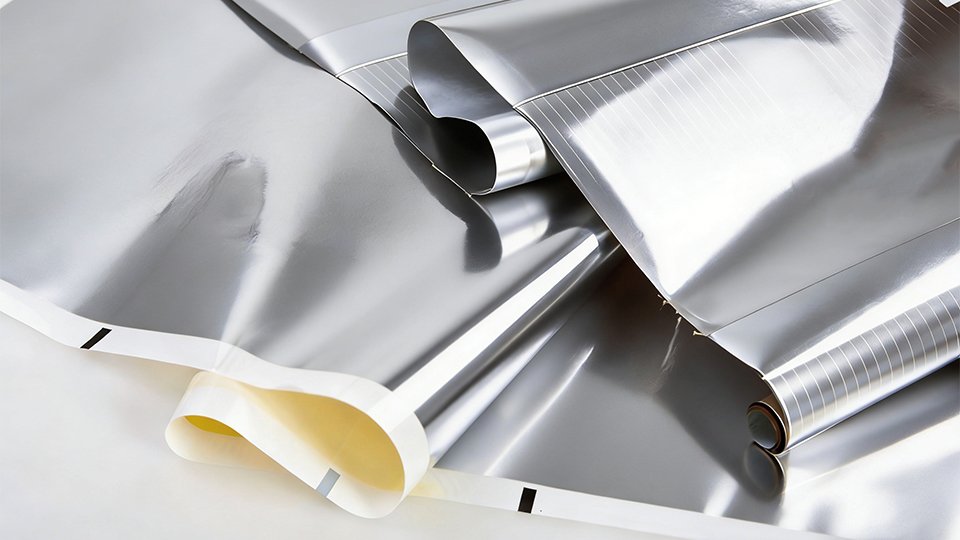
Utilisés dans les emballages de vitamines quotidiennes ou de médicaments, ces films laminés associent aluminium et plastique pour protéger le médicament, faciliter la manipulation des emballages et limiter les coûts.
■ Films spécialisés
Les films spéciaux répondent à des besoins spécifiques, tels que des couches résistantes à l'humidité pour les poudres, des dispositifs de sécurité pour enfants ou des films transparents pour l'inspection visuelle.
De la feuille d'aluminium à la plaquette, la production façonne, remplit, scelle et contrôle chaque dose avec une rigueur industrielle. Le procédé utilise des matériaux de précision et des machines de conditionnement sous blister à grande vitesse. Voici un aperçu du processus de conditionnement sous blister.
■ Formation
Cette étape définit la structure d'une plaquette thermoformée. Le plastique est chauffé et moulé en petites alvéoles régulières, parfaitement adaptées à chaque comprimé ou gélule. Les comprimés fragiles bénéficient ainsi d'un logement plus profond et arrondi, ce qui les protège des chocs pendant le transport.
■ Remplissage
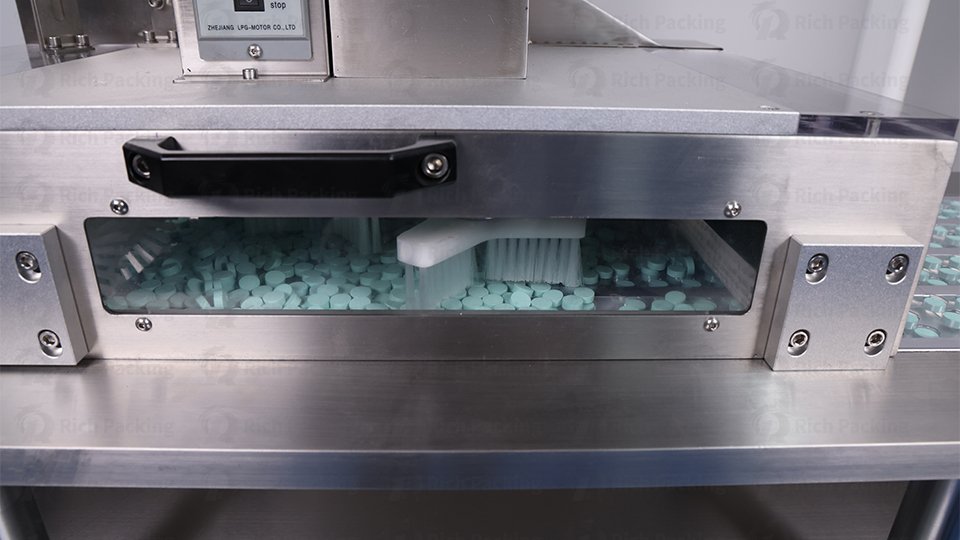
Ensuite, les tablettes se mettent en place avec une précision d'horlogerie. Les machines fonctionnent rapidement, remplissant des milliers de poches chaque heure sans en oublier une seule.
■ Scellage
Chaque sachet est recouvert d'une feuille d'aluminium qui le protège de l'humidité, de la lumière et de la poussière. Chaque dose est ainsi conservée en toute sécurité.
■ Découpe et finition
Les feuilles sont ensuite découpées en bandes ou en cartes, parfois rainurées ou numérotées afin que les patients puissent facilement suivre leurs doses quotidiennes.
■ Inspection de la qualité
Enfin, des caméras et des capteurs scannent chaque emballage. Les comprimés manquants, les sachets mal alignés ou les fermetures défectueuses sont détectés et éliminés, ne laissant que des emballages parfaits.
Au final, le plastique brut et le papier aluminium sont devenus de minuscules écrins protecteurs pour les médicaments, administrés dose par dose.
Malgré leur conception apparemment simple, les emballages blister soulèvent de nombreuses questions, tant pour les fabricants que pour les utilisateurs. Essayons d'y voir plus clair.
Q1 : Les emballages blister sont-ils recyclables ?
C'est une question complexe. De nombreux emballages blister combinent PVC et aluminium, ce qui rend leur recyclage difficile. Certaines régions proposent des services de recyclage pharmaceutique spécialisés, mais leur disponibilité varie. Il est toujours conseillé de se renseigner sur les options locales.
Q2 : Tous les médicaments sont-ils adaptés aux plaquettes thermoformées ?
Pas toujours. Les comprimés très sensibles à l'humidité, gras, collants ou de grande taille peuvent nécessiter des flacons ou des plaquettes thermoformées. Le choix est généralement guidé par des études de stabilité.
Q3 : Combien de temps les comprimés se conservent-ils dans une plaquette thermoformée ?
Les plaquettes thermoformées protègent les comprimés de l'humidité et de la lumière, prolongeant souvent leur durée de conservation de 6 à 12 mois par rapport aux emballages non scellés.
Q4 : Peut-on retirer des comprimés d'une plaquette thermoformée ?
Oui, mais il est préférable de prendre une dose à la fois. Une fois sorties de leur plaquette, les comprimés sont davantage exposés à l'humidité et aux manipulations, ce qui peut altérer leur qualité. C'est pourquoi les utilisateurs demandent souvent combien de temps se conservent les comprimés hors de leur plaquette thermoformée.
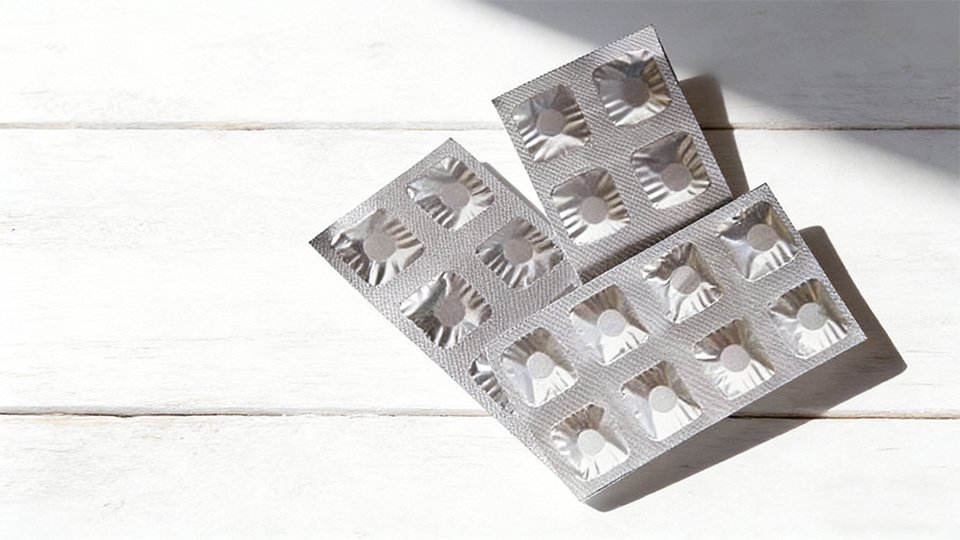
Le conditionnement en plaquette permet de présenter les comprimés ou les gélules alignés, scellés entre deux couches de film et de plastique pour une protection optimale et un dosage facile. Chaque jour, vous prenez votre plaquette de vitamines quotidienne dans l'armoire à pharmacie, vous la décollez et vous prenez un comprimé. Cette praticité est le fruit d'une conception soignée : chaque comprimé est protégé de l'humidité et de la lumière, tandis que les marquages imprimés ou les barres de prédécoupe vous aident à contrôler la dose.
Pour les fabricants, les plaquettes thermoformées permettent une production rapide et une manipulation précise, ce qui les rend idéales pour les comprimés sensibles à l'humidité et les produits favorisant l'observance thérapeutique. Des vitamines et probiotiques aux médicaments sans ordonnance, les plaquettes thermoformées permettent une administration unitaire sûre, pratique et facile pour le patient.
La fabrication des emballages en bande est un processus rigoureusement contrôlé, axé sur la précision, la rapidité et la sécurité du produit. Voici comment une bande est transformée, depuis les matières premières jusqu'à l'emballage prêt à l'emploi.
1. Préparation du film
Les films de base en plastique sont laminés, imprimés et rainurés selon les besoins.
2. Remplissage
Les comprimés sont placés avec précision dans les cavités ou sur la bande à grande vitesse.
3. Scellement
La feuille ou le stratifié est thermoscellé pour former une barrière étanche à l'humidité et à l'oxygène.
4. Découpe et rainurage
Les bandelettes sont découpées et perforées pour faciliter le prélèvement de la dose.
5. Contrôle de la qualité
Les machines vérifient l'absence de comprimés, le bon alignement des doses et les défauts d'étanchéité, et rejettent les plaquettes défectueuses.
Après avoir examiné la composition et les matériaux de chaque format, il est temps de les comparer. Les fabricants ne choisissent pas un format uniquement pour des raisons esthétiques. Ils prennent en compte l'efficacité de la barrière, la cadence de production, le coût et les indications pour les patients, et ce compromis engendre des choix très différents en usine. Le tableau ci-dessous présente les différences entre le conditionnement sous blister et le conditionnement en bande.
Tableau 1 - Comparaison entre l'emballage sous blister et l'emballage en bande
|
Aspect de comparaison |
Emballage blister |
Emballage en bande |
|
Protection contre l'humidité et la lumière |
★★★★★ |
★★★☆☆ |
|
Confort du patient |
★★★★☆ |
★★★★★ |
|
Vitesse de production |
★★★☆☆ |
★★★★★ |
|
Efficacité en matière de coûts |
★★★☆☆ |
★★★★☆ |
|
Traçabilité et contrôle des doses |
★★★★★ |
★★★☆☆ |
|
Flexibilité de la machine |
★★★★☆ |
★★★☆☆ |
● Protection contre l'humidité et la lumière
Les plaquettes thermoformées offrent généralement la meilleure protection car chaque comprimé est contenu dans un compartiment scellé individuellement. Si nécessaire, des systèmes de scellage à froid aluminium-aluminium sont utilisés lorsque la barrière maximale est requise.
● Confort du patient
Les plaquettes thermoformées sont fines, portables et faciles à déchirer ou à décoller dose par dose, ce qui facilite l'observance quotidienne. Les plaquettes thermoformées sont transparentes et protectrices, mais certains utilisateurs trouvent les modèles à ouverture facile plus difficiles à ouvrir.
● Vitesse de production
Les lignes de production en continu permettent généralement un débit plus rapide car le scellage et la découpe sont plus simples. Les lignes de production sous blister ont un temps de cycle plus long car elles doivent former des cavités puis les sceller avec précision.
● Efficacité en matière de coûts
Les bandes utilisent souvent 30 à 40 % de matériau en moins que les plaques blister comparables, ce qui se traduit par des coûts de matériaux et d'énergie inférieurs à grande échelle.
● Traçabilité et contrôle des doses
Les plaquettes thermoformées permettent de séparer visuellement et mécaniquement chaque dose, ce qui les rend idéales pour le dosage clinique, la preuve d'inviolabilité et le suivi sérialisé. Les plaquettes en bandelettes permettent également un contrôle précis du dosage, mais nécessitent généralement un marquage ou une perforation supplémentaire pour une lisibilité équivalente.
● Flexibilité de la machine
Les deux familles de machines sont flexibles. Les lignes de blister nécessitent des changements de moule ou d'outil pour différentes cavités, tandis que les lignes de stripping adaptent généralement les formats par des modifications mécaniques plus simples.

Le conditionnement sous blister est souvent privilégié lorsque la protection maximale et le dosage précis sont essentiels. Grâce à ses excellentes performances en matière de protection des médicaments, il est largement utilisé dans l'industrie pharmaceutique et les compléments alimentaires haut de gamme, où la stabilité et la sécurité du patient sont primordiales.
■ Avantages
1. Excellente protection contre l'humidité, l'oxygène et la lumière grâce à des cavités scellées individuellement.
2. Une séparation claire des doses facilite l'observance et soutient les essais cliniques ou le suivi sérialisé.
3. Une conception inviolable renforce la confiance des patients.
4. Convient aux formes complexes et aux comprimés enrobés, y compris les probiotiques et les formulations entériques.
■ Cons
1. Le thermoformage et le scellage précis rendent les équipements et l'outillage plus coûteux.
2. Les lignes à bulles peuvent fonctionner un peu plus lentement que les lignes à bandes continues.
3. Changer de moules ou de formes de cavités prend du temps, ce qui peut limiter la flexibilité pour les petites séries ou les variantes de produits multiples.
Le conditionnement en bandelettes est idéal lorsque la rapidité, la portabilité et la simplicité sont essentielles. Il est particulièrement apprécié pour les comprimés, les vitamines et les compléments alimentaires en vente libre, notamment sur les marchés à forte production.
■ Avantages
1. Le scellage et la découpe en continu permettent une production rapide, ce qui contribue à maintenir les coûts unitaires bas.
2. Léger et portable, facile à décoller ou à déchirer dose par dose pour les patients.
3. Coûts en matériaux et en énergie inférieurs à ceux des emballages sous blister.
4. Les machines peuvent traiter des tablettes de tailles et de formes différentes avec un minimum de réglages.
■ Cons
1. Offre une protection moindre contre l'humidité et la lumière que les emballages blister entièrement scellés.
2. La séparation des doses peut nécessiter des perforations ou un étiquetage supplémentaires pour plus de clarté.
3. Ne convient pas aux comprimés extrêmement sensibles ou spéciaux.
Le parcours d'un comprimé, de l'imprimerie au patient, s'achève avec son emballage. Ce choix final détermine s'il arrive intact, facile à utiliser et sûr, ou si sa stabilité et son adhérence sont compromises. Comprendre les avantages et les inconvénients des emballages blister et des plaquettes thermoformées permet aux fabricants de prendre des décisions plus éclairées, tant pour la production que pour l'utilisateur final.
Le choix entre l'emballage sous blister et l'emballage en bande dépend de la protection, de la praticité et de l'efficacité.
● Protection contre l'humidité et la lumière
Les plaquettes thermoformées offrent une protection optimale grâce à leurs compartiments hermétiques, préservant ainsi les comprimés de l'humidité et de la lumière. Les plaquettes en bandelettes protègent également bien, mais leur efficacité diminue avec le temps.
● Confort du patient
Les plaquettes s'ouvrent facilement et sont idéales pour les vitamines quotidiennes. Les blisters permettent de bien organiser les doses, mais extraire les comprimés peut s'avérer difficile pour les personnes âgées.
● Vitesse de production
Les bandes thermoformées sont plus rapides et moins coûteuses à fabriquer car elles évitent la formation de cavités. Les blisters nécessitent des moules et un scellage précis, ce qui augmente le temps et le coût.
● Efficacité en matière de coûts
Les plaquettes thermoformées coûtent moins cher en matériaux et en énergie, ce qui les rend plus économiques. Les plaquettes thermoformées nécessitent davantage de préparation et de matériaux, ce qui peut faire grimper les coûts.
● Traçabilité et contrôle des doses
Comparativement aux plaquettes thermoformées, les plaquettes alvéolées séparent clairement chaque dose, ce qui facilite le suivi.
● Flexibilité de la machine
Les machines à blisters nécessitent des changements de moules pour différents produits, tandis que les machines à plaquettes peuvent s'adapter à différentes tailles de comprimés avec moins de réglages.
Pour les fabricants, le choix entre le conditionnement sous blister et le conditionnement en bandelette est crucial. Le blister offre une protection optimale et une séparation claire des doses, ce qui le rend idéal pour les comprimés enrobés ou les médicaments nécessitant une longue durée de conservation et un suivi précis. Le conditionnement en bandelette, quant à lui, privilégie la praticité, la rapidité et le coût, et convient parfaitement aux compléments alimentaires quotidiens ou aux productions en série flexibles. En définitive, la décision finale dépend de la sensibilité du produit, de son utilisation par le patient et des objectifs de production.
Choisir la bonne machine d'emballage est tout aussi important que choisir le bon format. Pour les fabricants, cela se traduit par moins de rebuts, une cadence de production plus rapide et une maintenance simplifiée. Voyons clairement les points essentiels concernant le conditionnement sous blister et sous bande.
Bien que les emballages en bande semblent faciles à manipuler, les lignes de production sont confrontées à des défis communs :
● Un mauvais alignement des poudres ou des comprimés peut entraîner une mauvaise étanchéité ou le blocage des bandes.
● Des poids de remplissage incohérents peuvent entraîner des doses rejetées ou des erreurs d'étiquetage.
Alors, comment résoudre ces problèmes ? Moderne machines d'emballage en bande Pour résoudre ces problèmes, il est nécessaire d'utiliser des systèmes d'alimentation précis, des conceptions anti-pontage et des contrôles de dosage précis, afin de garantir une production fluide et de minimiser les déchets.
Systèmes d'alimentation précis : Les distributeurs vibrants déposent les comprimés ou les gélules avec précision à l'endroit voulu.
Tension et contrôle du mouvement du film : Les systèmes servo ou PLC maintiennent la bande lisse et sans plis.
Scellage et découpe synchronisés : assure un dosage uniforme et minimise les rejets.
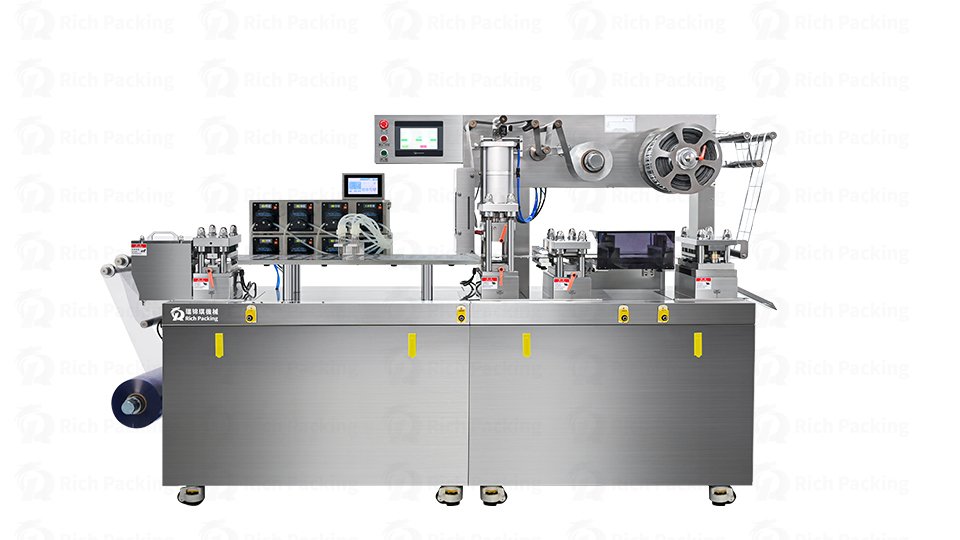
Le conditionnement sous blister présente des exigences critiques spécifiques, c'est pourquoi les fabricants s'appuient sur machines automatiques d'emballage sous blister avec des systèmes de formage, d'étanchéité et d'inspection stables.
■ Changement et alignement des moules faciles et précis
Les machines Rich Packing simplifient les changements de moules et l'alignement grâce à plusieurs fonctionnalités :
Volants extérieurs : Réglages rapides et intuitifs.
Conception modulaire du moule : Les fentes extractibles permettent un changement complet des jeux en moins de 10 minutes.
Marqueurs d'échelle numérique : Confirmation visuelle instantanée à chaque station.
Fonctionnement par servomoteur : Distances de traction précises et alignement parfait.
■ Qualité uniforme du scellage et de l'impression
Un scellage uniforme et un marquage net sont essentiels pour les plaquettes thermoformées. Des scellages irréguliers ou un marquage illisible peuvent laisser passer l'humidité, endommager les comprimés ou induire les patients en erreur. Forte de sa connaissance approfondie de ces problématiques, Rich Packing accompagne les fabricants grâce à des machines de blisterage de pointe permettant de détecter précisément ces problèmes.
Scellage uniforme Le thermoscellage à double cylindre et double axe assure une pression uniforme, une forte adhérence et des motifs sans plis.
Découpe de précision : Les fraises DC53 importées du Japon créent des bords lisses et sans bavures, ce qui permet de conserver des feuilles blister nettes et durables.
Grâce à ces caractéristiques, les machines d'emballage sous blister Rich Packing garantissent à la fois rapidité et précision, aidant ainsi les fabricants à maintenir une qualité constante tout en réduisant les temps d'arrêt et les réglages manuels.
Le choix entre le conditionnement sous blister et le conditionnement en plaquettes thermoformées influence la sécurité des médicaments, la rapidité de leur mise à disposition et leur facilité d'utilisation. Les blisters protègent parfaitement chaque dose et permettent un suivi précis de la consommation, tandis que les plaquettes thermoformées sont simples, rapides à produire et faciles à transporter.
Les machines intelligentes peuvent faire toute la différence. Les machines de blister de Rich Packing permettent des changements de moules rapides et un scellage uniforme, aidant ainsi les fabricants à fournir des emballages fiables sans ralentir la production.
[1] Rapport sur le marché des emballages blister, Perspectives du marché futur 2025-2035 — Prévisions et analyse de la valeur du marché mondial des emballages blister pharmaceutiques.
https://www.databridgemarketresearch.com/reports/global-pharmaceutical-blister-packaging-market
[2] Taille, part et tendances du marché des emballages sous blister pharmaceutiques, rapport Reanin — Part de marché et aperçu des applications des doses orales solides.
[3] Prévisions du marché des emballages à dose unitaire 2024-2029, DRI/MarketsandMarkets — Croissance et facteurs de marché des emballages à dose unitaire.
Fragment de fin

29+ years in pharmaceutical machinery, covering capsule filling, tablet pressing, blister packaging, tablet and capsule counting, cartoning, GMP production, and overseas machine service.

E-mail : manager@richpacking.cn
Building D, No. 226, Beishan Qiaotou Street, Haizhu District, Guangzhou City, Guangdong Province, China


 Réseau IPv6 pris en charge